


Why Dordle Is the Ultimate Test of Word Puzzle Skills
- Coalition Strengthen
- Entertainment
- 2026-03-17 07:59:54
- 2120K
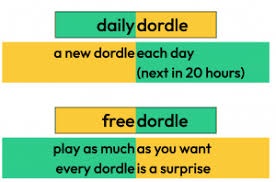
Word puzzles have always challenged players to combine vocabulary knowledge with logical thinking. In recent years, the popularity of daily word games has grown rapidly, especially after Wordle became a worldwide sensation and was later acquired by The New York Times. As players searched for new challenges beyond the original format, several creative variations appeared. One of the most demanding among them is Dordle, a puzzle that pushes players to solve two hidden words at the same time.
Dordle builds on the same simple concept that made Wordle so successful. Players guess a five-letter word and receive color-coded feedback after each attempt. Green tiles show letters that are correct and placed in the right position. Yellow tiles indicate letters that are present in the word but appear in the wrong position. Gray tiles reveal letters that are not included in the word at all. With each guess, players gather clues that help them narrow down the possible solutions.
The main difference in Dordle is the presence of two puzzle boards instead of one. Every word guessed by the player is applied to both boards simultaneously. This means each guess provides clues for two separate hidden words. Players usually have seven guesses to solve both puzzles, which makes every attempt extremely valuable.
This shared-guess system is what transforms Dordle into a true test of puzzle-solving ability. In a single-word game, players can concentrate entirely on one solution. Dordle forces players to split their attention between two different problems. A guess that helps identify letters in one word may offer little information for the other. As a result, players must carefully select guesses that maximize useful feedback for both puzzles.
Another reason Dordle is such a strong test of skill is the increased cognitive load. Players must track multiple sets of clues at the same time. They need to remember which letters belong to which puzzle and analyze how each guess changes the possibilities. This requires more focus and organization than a typical word puzzle.
The pacing of the game also adds to the challenge. Often one of the words becomes easier to identify earlier in the puzzle. Solving that word can feel rewarding, but it also creates new pressure. With fewer guesses remaining, the player must quickly identify the second word before running out of attempts. These moments create tension and excitement that keep players engaged.
Despite the increased difficulty, Dordle remains accessible because its rules are simple. Anyone familiar with Wordle can understand how the game works immediately. The challenge comes not from learning new mechanics, but from adapting strategy to handle two puzzles at once.
Experienced players often develop techniques to improve their performance. They begin with guesses that test common letters, spread out vowels and consonants, and reveal as much information as possible. As the puzzle progresses, they shift toward more precise guesses based on the clues they have gathered.
In the end, Dordle stands out because it transforms a familiar word puzzle into a deeper strategic challenge. By requiring players to manage two puzzles with a limited number of guesses, it pushes vocabulary skills, logic, and planning to the limit. For word puzzle fans looking for a tougher test, Dordle offers an experience that is both demanding and highly rewarding.
2120 people like this



About Premium Author
This post has been authored and published by one of our premium contributors, who are experts in their fields. They bring high-quality, well-researched content that adds significant value to our platform.
Leave a Reply
Please login to post a comment.







0 Comments