


Which Shipping Boxes Protect Parcels Best in Transit?
- Emily Jones
- Business
- 2026-03-17 17:10:10
- 2123K
If you have ever received a damaged parcel, you already know how easily things can go wrong during delivery. Packages rarely travel in a straight line from sender to receiver. They move through sorting belts, vans, warehouses, and sometimes long storage queues. Along the way, parcels may be stacked under heavier loads or pushed against other boxes. Because of this constant movement, choosing dependable packaging supplies becomes more important than many people realise. The right box does more than hold an item—it protects it from the unpredictable journey between dispatch and delivery.
Why Does the Quality of a Shipping Box Really Matter?
Most people imagine parcels sitting safely inside delivery vans. In reality, shipping networks move items quickly and in large volumes. Boxes are lifted, stacked, slid across sorting equipment, and occasionally dropped a short distance during handling.
That is why many shippers rely on sturdy cardboard boxes for daily dispatch. Their layered construction gives them strength while remaining lightweight enough for efficient shipping. The structure of these boxes helps absorb pressure when parcels are stacked together during transport.
Reliable packaging supplies also make packing easier for warehouse teams. A box that holds its shape allows items to be arranged properly inside, which reduces the chances of movement during transit.
Businesses that ship regularly tend to prioritise three things when choosing packaging:
- Strength during stacking
- Protection from corner damage
- Consistent size for organised packing
These small details often determine whether a parcel arrives safely or becomes a customer complaint.
What Kind of Boxes are Companies Used for Shipping?
Different products need different levels of protection. A framed photo cannot be packed the same way as books, clothing, or office files. This is why packaging suppliers usually offer a range of box styles designed for specific shipping tasks.
Each design serves a practical purpose. Some prevent bending, others support heavier weight, and some simply keep smaller parcels organised.
How Do Envelope Style Cartons Keep Flat Items Safe?
Thin products are surprisingly easy to damage during transit. Documents, photographs, and certificates can bend even under light pressure if they are packed in soft envelopes.
To avoid this problem, many senders choose cardboard postal boxes when shipping flat items. These boxes create a firm outer layer that stops the contents from folding.
Because cardboard postal boxes are slim yet rigid, they are widely used for sending artwork prints, brochures, and important paperwork. The design keeps items flat without adding unnecessary bulk to the parcel.
For businesses that regularly send printed materials, this packaging style is often the simplest solution.
Why Stronger Cartons Preferred for Heavier Products?
Weight changes everything when it comes to packaging. Books, electronics, and bundled products can quickly put stress on a container if it is not designed for heavier loads.
This is where durable cardboard boxes prove their value. Their reinforced walls help them carry weight without bending at the corners.
In busy packing areas, these boxes are often used for bulk orders because they can be stacked confidently in storage cages or transport vehicles. Even after several layers of parcels are placed on top of them, the box usually retains its shape.
That reliability is exactly why warehouse teams prefer them for everyday shipping.
What Makes Compact Cartons Useful for Small Deliveries?
Not every parcel needs a large container. Smaller items often travel better when the packaging closely matches their size.
For lightweight shipments, postage boxes are frequently used. Their compact shape keeps items secure while reducing empty space inside the parcel.
Online retailers appreciate postage boxes because they are quick to assemble and easy to organise on packing tables. They also create a neat appearance that customers notice upon the parcel's arrival.
A well-sized box not only protects the item but also enhances the delivery's presentation.
How do Archive Cartons Help with Documents Transport?
Offices sometimes need to move large quantities of paperwork between locations. Loose files can easily become bent or disorganised if packed in ordinary cartons.
Archive containers are designed specifically for this type of situation. They allow documents to remain upright and neatly arranged during transport.
Because these containers are structured differently from typical shipping cartons, they help protect paperwork while still making files easy to access upon delivery.
How Does Wrap Style Packaging Protect Books?
Books present a unique packaging challenge. Their corners are easy to damage if the box allows too much movement.
Wrap-style packaging solves this issue by folding tightly around the item. The adjustable design creates a snug fit that keeps the book from shifting inside the parcel.
Many online bookstores rely on this packaging style because it protects both the cover and the edges of the product during delivery.
The result is a parcel that feels secure without excessive packaging material.
What Simple Packing Habits Help Protect Parcels?
Even a strong box benefits from careful packing. Experienced shippers often follow a few straightforward habits to make parcels safer during transit.
Some commonly used techniques include:
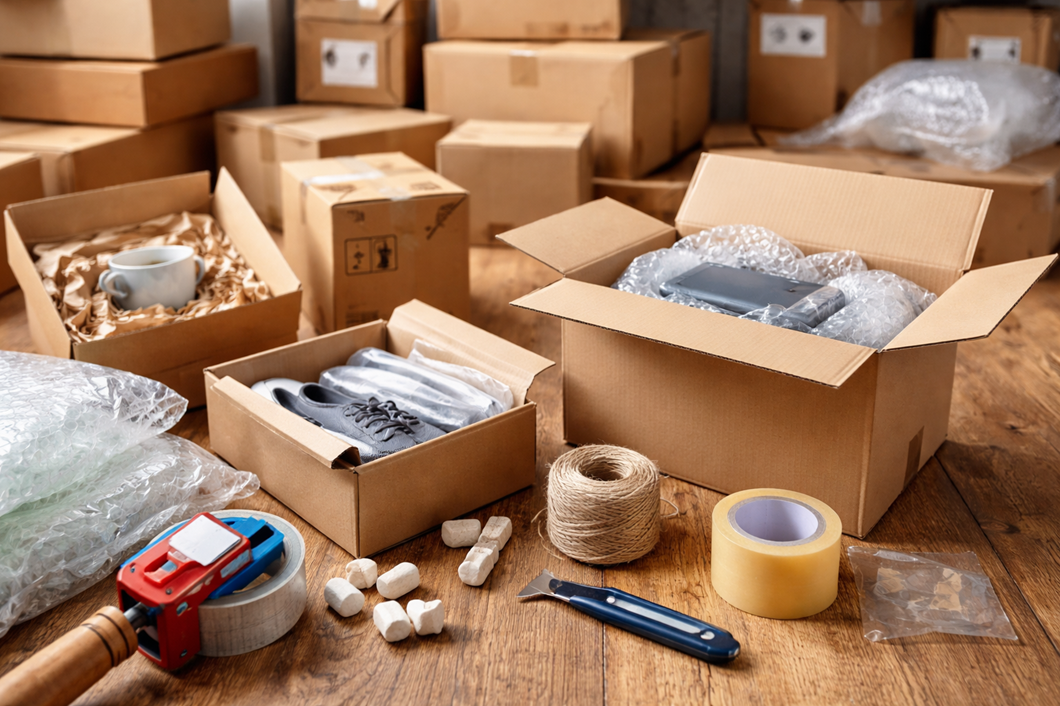
- Filling gaps with cushioning material
- Placing heavier products at the base
- Sealing all edges firmly with tape
- Adding clear handling labels
When these habits are combined with reliable packaging supplies, the risk of damage during delivery drops significantly.
In large distribution centres, these packing routines are standard practice because they protect both the product and the customer experience.
Conclusion
Safe delivery rarely happens by accident. It usually begins with choosing packaging that suits the product being shipped.
Whether someone sends documents in cardboard postal boxes, packs smaller items in postage boxes, or prepares heavier shipments in durable cardboard boxes, selecting the right container is key to ensuring parcels arrive intact and ready for use.
2123 people like this



About Premium Author
This post has been authored and published by one of our premium contributors, who are experts in their fields. They bring high-quality, well-researched content that adds significant value to our platform.
Leave a Reply
Please login to post a comment.








0 Comments