


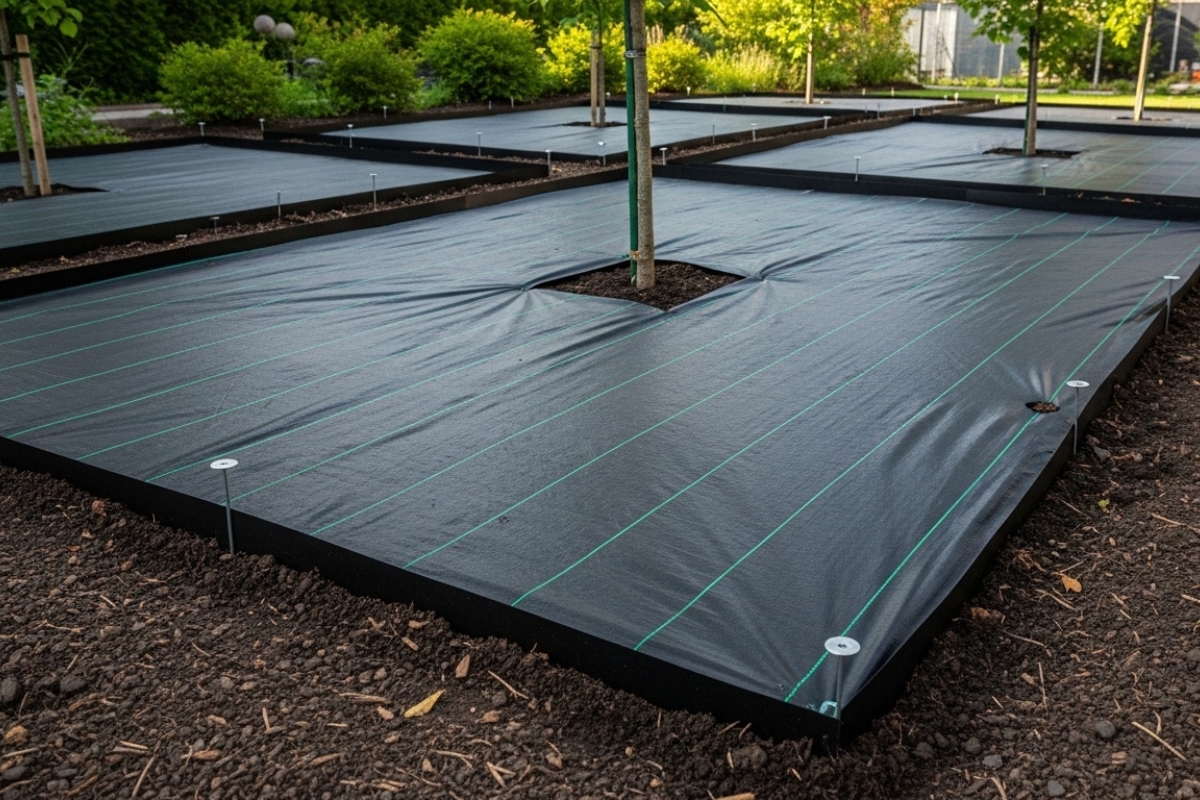
Best Weed Barrier Fabric: Polypropylene Ground Cover Guide
- Amelia Smith
- Business
- 2026-03-05 14:33:19
- 2090K
Weeds are one of the most persistent challenges in landscaping, agriculture, and ground management. Whether it’s a commercial landscaping project, greenhouse operation, or large-scale agricultural field, uncontrolled weed growth can compete with plants for nutrients, water, and sunlight while increasing maintenance costs.
To address this issue efficiently, many professionals rely on weed barrier fabric. Among the available materials, polypropylene ground cover has gained significant popularity due to its durability, permeability, and long-term weed suppression capabilities.
Understanding how weed barrier fabrics work—and what makes the best weed barrier fabric—can help landscapers, growers, and property managers achieve effective and sustainable weed control.
What Is Weed Barrier Fabric?
Weed barrier fabric is a permeable material placed over soil to block sunlight and prevent weed growth while allowing water, air, and nutrients to pass through. It acts as a protective layer that reduces weed germination without disrupting soil health.
These fabrics are commonly used in:
- Landscaping projects
- Garden beds and pathways
- Agricultural fields
- Greenhouses and nurseries
- Industrial yards and infrastructure sites
By suppressing weeds and stabilizing soil, weed barrier fabric helps reduce maintenance efforts and improve overall ground management.
Why Polypropylene Ground Cover Is Widely Used
Among different materials used for weed control, polypropylene ground cover is considered one of the most reliable and durable options.
Polypropylene is a lightweight yet strong polymer that can be woven into fabric with excellent structural integrity. This woven structure provides long-lasting performance even under demanding outdoor conditions.
Key Benefits of Polypropylene Ground Cover
- Excellent Weed Suppression: Polypropylene ground cover blocks sunlight from reaching the soil surface, preventing weed seeds from germinating and growing.
- High Durability: The woven structure provides resistance to tearing, punctures, and heavy foot traffic, making it suitable for commercial landscaping and agricultural use.
- Water and Air Permeability: Unlike plastic sheets, polypropylene ground cover allows water and air to pass through, maintaining healthy soil conditions and supporting plant growth.
- UV Resistance: Most professional-grade ground covers are UV-stabilized, allowing them to withstand prolonged sun exposure without degrading quickly.
- Long Service Life: Due to its durability, polypropylene ground cover often lasts several seasons, making it a cost-effective solution for weed management.
Applications of Weed Barrier Fabric
- Landscaping Projects: In landscaping, weed barrier fabric is commonly installed beneath decorative stone, mulch, or gravel to maintain clean and weed-free surfaces.
- Agriculture and Nurseries: Growers use ground cover fabric to create controlled growing environments. It helps reduce weed competition while improving drainage and soil moisture control.
- Garden Beds: In home gardens and raised beds, weed barrier fabric simplifies maintenance by minimizing weed growth around plants.
- Pathways and Hardscaping: Under walkways, patios, and gravel paths, weed barrier fabric prevents weed intrusion while stabilizing the ground surface.
- Commercial and Industrial Areas: Large facilities, solar farms, and industrial yards often rely on heavy-duty ground cover fabrics to maintain weed-free operational spaces
Features of the Best Weed Barrier Fabric
Selecting the best weed barrier fabric involves considering several important characteristics.
- Material Quality: High-quality polypropylene fabrics offer superior strength and long-term durability compared to thin or non-woven alternatives.
- Fabric Weight (GSM):Heavier fabrics typically provide better weed suppression and longer lifespan, especially in high-traffic areas.
- Permeability: Effective weed barrier fabric should allow water and nutrients to penetrate the soil while preventing weed growth.
- UV Stabilization: UV-treated fabrics maintain their integrity even after extended sun exposure.
- Ease of Installation: Professional-grade fabrics often include grid lines that help align plants and simplify installation.
How to Install Weed Barrier Fabric
Proper installation is essential to achieve optimal weed control.
Step 1: Prepare the Soil
Remove existing weeds, grass, and debris from the installation area. Level the surface to ensure proper fabric contact with the soil.
Step 2: Lay the Fabric
Roll out the weed barrier fabric over the prepared soil, ensuring it lies flat without wrinkles.
Step 3: Overlap Edges
Overlap adjacent fabric sections by 4–6 inches to prevent weeds from growing through seams.
Step 4: Secure the Fabric
Use landscape staples or pins to anchor the fabric securely in place.
Step 5: Apply Cover Material
Add mulch, gravel, or decorative stone on top of the fabric. This protects the material from UV exposure and improves appearance.
Following these steps ensures long-term weed suppression and durability.
Common Mistakes to Avoid
While weed barrier fabrics are effective, certain mistakes can reduce their performance:
- Installing fabric over existing weeds
- Using plastic sheets instead of breathable fabric
- Skipping seam overlaps
- Failing to secure the fabric properly
- Leaving fabric exposed without mulch or gravel cover
Avoiding these issues helps maximize the lifespan of the fabric and maintain effective weed control.
Environmental and Maintenance Benefits
Using weed barrier fabric provides several environmental advantages:
- Reduces reliance on chemical herbicides
- Minimizes soil disturbance from frequent weeding
- Improves water efficiency by reducing evaporation
- Supports healthier plant growth
These benefits make polypropylene ground cover a practical solution for sustainable landscape and agricultural management.
Weed control is essential for maintaining healthy landscapes, productive agricultural fields, and well-managed outdoor spaces. Among the available solutions, polypropylene ground cover has proven to be one of the most effective and durable materials for long-term weed suppression.
When selecting the best weed barrier fabric, factors such as material quality, durability, permeability, and UV resistance should be carefully considered. Combined with proper installation techniques, weed barrier fabric can significantly reduce maintenance efforts while improving soil and plant health.
For landscapers, growers, and property managers seeking efficient weed control, polypropylene-based weed barrier fabrics offer a dependable and long-lasting solution.
2090 people like this



About Premium Author
This post has been authored and published by one of our premium contributors, who are experts in their fields. They bring high-quality, well-researched content that adds significant value to our platform.
Leave a Reply
Please login to post a comment.




0 Comments