



The Importance of Real Estate Insurance for Landlords and Investors
- R1se Insurance
- Self-Improvement
- 2025-08-02
- 1011K
In the dynamic world of property investment, risk is an ever-present factor. Whether you're a seasoned investor with a portfolio of commercial properties or a new landlord letting out your first flat, protecting your assets is non-negotiable. That's where real estate insurance comes into play.
Real estate insurance in the UK is more than just a policy—it's a strategic safeguard for financial stability, legal compliance, and peace of mind. In this blog, we’ll explore why real estate insurance is crucial for landlords and investors, the types of coverage available, and what to consider when choosing the right insurance provider.
Understanding Real Estate Insurance
Real estate insurance, sometimes referred to as landlord insurance or property owner’s insurance, is a specialised type of policy designed to cover buildings that are rented out to tenants. Unlike standard homeowner’s insurance, real estate insurance provides broader protection tailored to the unique risks that landlords and property investors face.
Typical policies cover damage to the building, liability for tenant injuries, loss of rental income, and legal expenses. Some policies also offer cover for malicious damage by tenants, subsidence, or even terrorism-related events.
Why Is Real Estate Insurance Important?
1. Protection Against Property Damage
One of the most obvious but crucial reasons to get insurance is protection against property damage. This includes damage caused by:
- Fire and smoke
- Flooding and storms
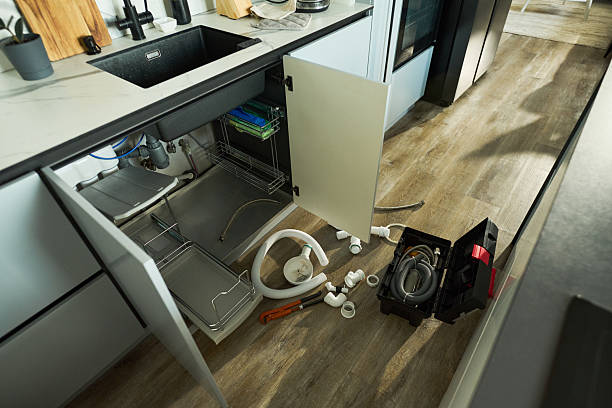
- Burst pipes and water leaks
- Vandalism
- Subsidence
Repairing structural damage can be incredibly costly, and without insurance, these expenses come directly out of your pocket.
2. Liability Coverage
If a tenant or visitor gets injured on your property and claims that negligence was involved—perhaps a loose handrail or slippery floor—you could be held legally liable. Legal fees and compensation can be financially devastating.
Real estate insurance provides liability cover, helping you handle legal costs and compensation payouts without draining your resources.
3. Loss of Rental Income
If your property becomes uninhabitable due to an insured event—like a fire or flood—you may lose rental income during the repair period. Certain real estate insurance policies will cover this loss, ensuring you continue to receive income while the property is being restored.
4. Legal Expenses and Disputes
Letting out property often involves legal disputes, whether it’s about evictions, rent arrears, or contract breaches. A comprehensive insurance policy may cover legal costs, offering support and legal expertise during such challenging times.
Key Features of Real Estate Insurance Policies
When selecting a policy, here are some common features and what they mean for you:
| Feature | Description |
| Buildings Cover | Protects the structure of your property (walls, roofs, windows) |
| Contents Cover | Covers items you provide, like furniture or appliances in a furnished rental |
| Loss of Rent | Covers missed rent if property becomes uninhabitable due to a covered event |
| Landlord Liability | Covers injury claims or property damage made by tenants or third parties |
| Alternative Accommodation | Pays for tenant relocation if your property becomes unusable |
| Accidental/Malicious Damage | Covers damage caused unintentionally or on purpose by tenants |
| Legal Protection | Covers legal costs related to disputes, evictions, or claims |
Types of Real Estate Insurance
1. Residential Landlord Insurance
This is designed for single-family homes, flats, or houses in multiple occupation (HMOs). It’s ideal for landlords renting out to individuals or families.
2. Commercial Property Insurance
If you own office spaces, retail units, or industrial buildings, commercial property insurance is tailored to the specific risks faced by these business-use properties.
3. Portfolio Insurance
If you own multiple properties, some insurers offer portfolio insurance—one umbrella policy that covers all your assets. This can be more cost-effective and easier to manage.
Real Estate Insurance vs Homeowner’s Insurance
A common misconception is that homeowner’s insurance is enough when renting out a property. This is incorrect.
| Aspect | Homeowner’s Insurance | Real Estate Insurance |
| Tenant Coverage | Not covered | Covered |
| Rental Income Loss | Not included | Often included |
| Liability for Tenants | Limited | Comprehensive |
| Legal Disputes | Not covered | Often covered |
Using homeowner’s insurance on a rental property can result in denied claims or even policy cancellation.
Risks of Not Having Real Estate Insurance
Operating without insurance exposes landlords to significant risks, including:
- Financial Loss: Repair costs from disasters like fires or floods can run into tens of thousands.
- Legal Liability: Without liability insurance, compensation claims could bankrupt a landlord.
- Eviction & Legal Costs: Disputes with tenants can cost thousands in legal fees.
- No Income: Property damage could halt your rental income indefinitely.
In many cases, mortgage lenders will also require you to carry valid insurance as a condition of the loan.
What Should You Look for in a Policy?
✅ Coverage Flexibility
Choose a policy that can be customized to your property type, whether it's a commercial unit or a multi-let building.
✅ Fair Premiums
Get quotes from multiple providers to compare prices—but remember, the cheapest isn’t always the best. Focus on coverage limits and exclusions.
✅ Add-On Options
Depending on your situation, optional covers such as terrorism, rent guarantee, or home emergency cover might be useful.
✅ Reliable Claims Process
Look for insurers with a solid reputation for handling claims efficiently and fairly.
How to Choose the Right Insurance Partner
Given the importance of choosing the right policy and provider, many landlords turn to specialized insurance brokers who understand the intricacies of property risks.
If you're looking for real estate insurance solutions in the UK, working with a dedicated provider like R1SE Insurance Brokers ensures tailored protection based on your property portfolio and risk profile.
Real Estate Insurance: A Smart Investment Strategy
Insurance isn't just a reactive expense—it’s a proactive investment in your financial stability. In uncertain times, especially in the volatile property market, real estate insurance acts as a buffer between you and potential catastrophe.
Whether it's a burst pipe, legal dispute, or liability claim, the right policy gives you the confidence to manage your property business without fear.
Final Thoughts
Landlords and investors put their hard-earned money into property with the expectation of long-term returns. But those returns can be jeopardized without the right protection. From safeguarding against natural disasters to protecting your rental income, real estate insurance is a cornerstone of responsible property management.
If you’re currently uninsured or underinsured, it’s time to reassess your coverage. Look for real estate insurance solutions in the UK that align with your investment goals and risk appetite. Your property is an asset—treat it like one by insuring it the smart way.
1011 people like this


About Premium Author
This post has been authored and published by one of our premium contributors, who are experts in their fields. They bring high-quality, well-researched content that adds significant value to our platform.
Leave a Reply
Please login to post a comment.






0 Comments