


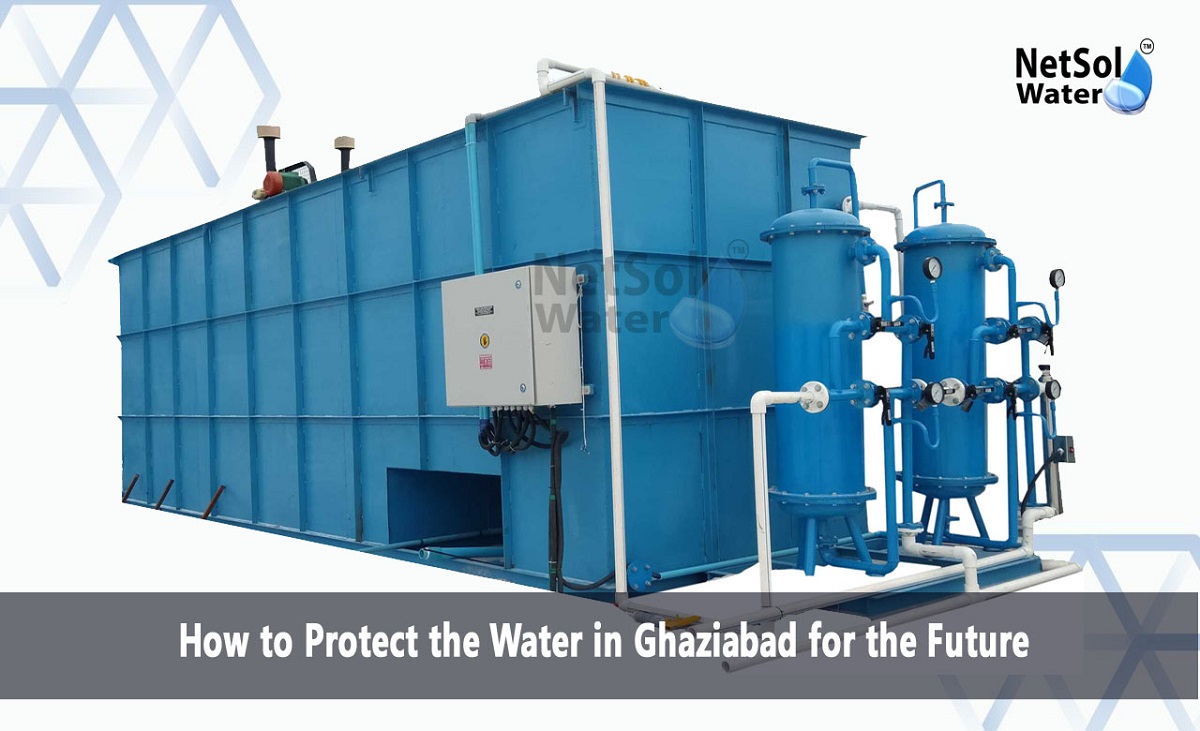
How to Protect Ghaziabad’s Water Future | Role of Sewage Treatment Plants
- Asif Aslam
- Environment & Nature
- 2025-07-14 12:15:07
- 320K
How to Protect the Water in Ghaziabad for the Future
Water is one of the most vital resources for human survival, yet it is under severe threat due to rapid urbanization, industrial pollution, and inefficient waste management. Ghaziabad, a rapidly growing city in the National Capital Region (NCR), faces significant water challenges, including groundwater depletion, contamination, and inadequate sewage treatment. Protecting Ghaziabad’s water resources is crucial for ensuring a sustainable future.
In this article, we will explore actionable strategies to safeguard Ghaziabad’s water supply, with a special focus on the role of a Sewage Treatment Plant Manufacturer in Ghaziabad in maintaining water quality.
1. Understanding Ghaziabad’s Water Crisis
Ghaziabad relies heavily on groundwater and the Ganga River for its water supply. However, several factors contribute to its deteriorating water quality:
Industrial Pollution: Untreated industrial effluents containing heavy metals and toxic chemicals are often discharged into water bodies.
Domestic Sewage: A large portion of household wastewater flows into rivers and drains without proper treatment.
Groundwater Depletion: Excessive extraction for domestic and industrial use has led to declining water tables.
Solid Waste Dumping: Plastic and non-biodegradable waste clog drains and pollute water sources.
To combat these issues, a multi-pronged approach involving government bodies, industries, and citizens is essential.
2. Implementing Advanced Sewage Treatment Systems
One of the most effective ways to prevent water pollution is by treating wastewater before it enters natural water bodies. A Sewage Treatment Plant Manufacturer in Ghaziabad plays a pivotal role in designing and installing efficient treatment plants that can handle both domestic and industrial sewage.
Types of Sewage Treatment Plants (STPs) for Ghaziabad
Activated Sludge Process (ASP):
Uses aerobic bacteria to break down organic waste.
Ideal for large-scale municipal sewage treatment.
Moving Bed Biofilm Reactor (MBBR):
Combines biofilm technology with activated sludge.
Requires less space and offers high efficiency.
Sequential Batch Reactor (SBR):
Treats wastewater in batches, ensuring high-quality output.
Suitable for industries with fluctuating wastewater loads.
Membrane Bioreactor (MBR):
Uses ultrafiltration membranes for superior water clarity.
Best for areas with strict water reuse requirements.
By collaborating with a reputable Sewage Treatment Plant Manufacturer in Ghaziabad, municipalities and industries can ensure that wastewater is treated to meet environmental standards before discharge.
3. Promoting Rainwater Harvesting
Rainwater harvesting can significantly reduce Ghaziabad’s dependence on groundwater. Key benefits include:
Replenishing Groundwater: Storing rainwater allows it to percolate into the soil, recharging aquifers.
Reducing Flooding: Capturing rainwater minimizes urban flooding during monsoons.
Providing Alternative Water Supply: Harvested rainwater can be used for irrigation, cleaning, and even drinking with proper filtration.
Steps to Implement Rainwater Harvesting:
Install rooftop collection systems.
Use storage tanks with filtration units.
Create recharge pits to direct water into the ground.
The Ghaziabad Development Authority (GDA) should mandate rainwater harvesting in residential and commercial buildings to maximize water conservation.
4. Strict Enforcement of Industrial Waste Regulations
Industries in Ghaziabad must adopt Zero Liquid Discharge (ZLD) systems to minimize water pollution. Key measures include:
Pre-Treatment of Effluents: Factories should treat wastewater before releasing it into common sewage lines.
Regular Audits: Government agencies must conduct frequent inspections to ensure compliance with pollution norms.
Penalties for Violations: Heavy fines and shutdowns for industries bypassing environmental laws.
A Sewage Treatment Plant Manufacturer in Ghaziabad can provide customized industrial STPs to help companies meet regulatory requirements.
5. Community Awareness and Participation
Public involvement is crucial for long-term water conservation. Initiatives include:
Educational Campaigns: Schools and NGOs should conduct workshops on water-saving techniques.
Clean-Up Drives: Community efforts to clean lakes, rivers, and drains.
Water Recycling at Home: Encouraging greywater reuse for gardening and cleaning.
6. Government Policies and Infrastructure Development
The government must invest in:
Upgrading Sewage Networks: Expanding and modernizing Ghaziabad’s sewage infrastructure.
Smart Water Management: Using IoT-based sensors to monitor water quality in real time.
Incentives for Green Industries: Offering subsidies to companies adopting eco-friendly water treatment solutions.
Conclusion: A Collective Responsibility
Protecting Ghaziabad’s water resources requires coordinated efforts from authorities, industries, and citizens. By investing in advanced sewage treatment systems from a trusted Sewage Treatment Plant Manufacturers in Ghaziabad, enforcing strict pollution controls, and promoting sustainable practices, we can ensure clean and abundant water for future generations.
The time to act is now—let’s work together to secure Ghaziabad’s water future!
320 people like this



About Premium Author
This post has been authored and published by one of our premium contributors, who are experts in their fields. They bring high-quality, well-researched content that adds significant value to our platform.
Leave a Reply
Please login to post a comment.








0 Comments