


Bulk Bags Guide | Bulk Bag Manufacturers & Size Options
- Prahlad Singh
- Business
- 2026-03-09 17:01:52
- 2099K
Industries that deal with large quantities of raw materials require packaging solutions that are strong, efficient, and cost-effective. From agriculture and construction to chemicals, food processing, and mining, bulk bags have become one of the most reliable solutions for storing and transporting bulk materials.
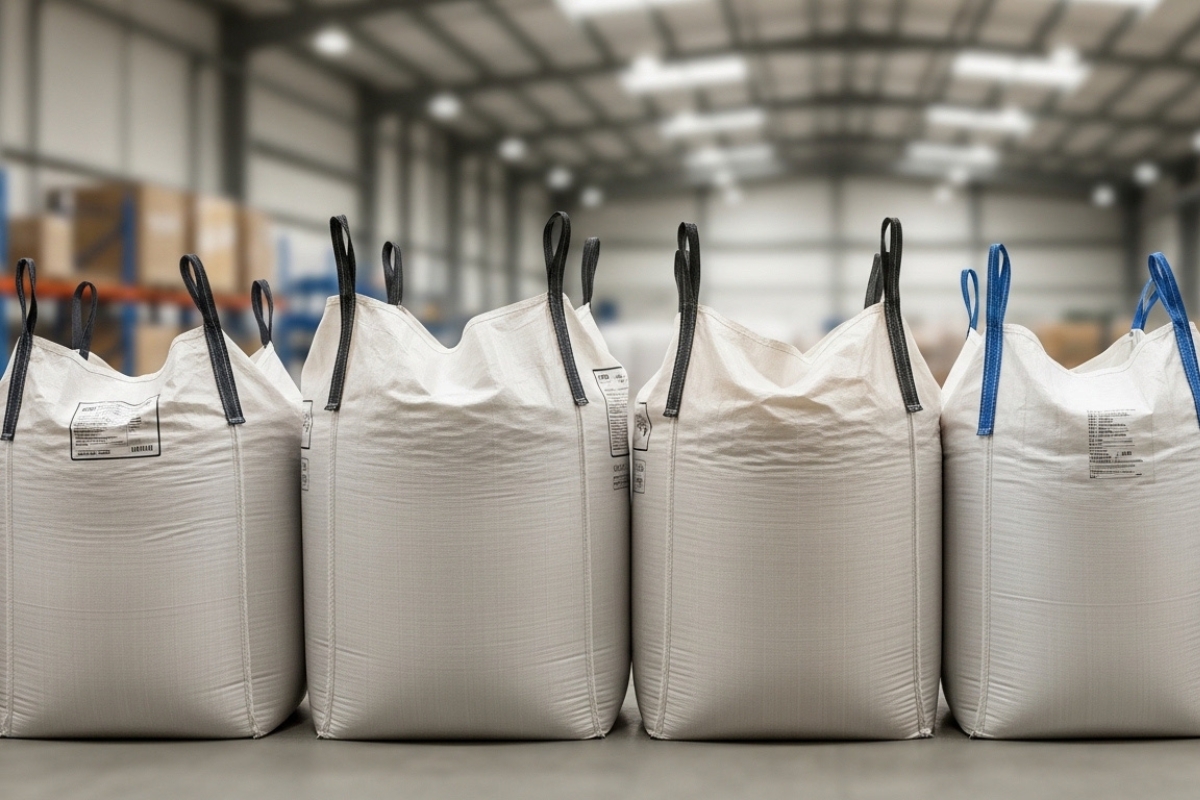
Also known as FIBCs (Flexible Intermediate Bulk Containers) or jumbo bags, bulk bags are designed to carry heavy loads while maintaining flexibility and ease of handling. Understanding the right bulk bag size and working with experienced bulk bag manufacturers can significantly improve operational efficiency and product safety.
What Are Bulk Bags?
Bulk bags are large containers made primarily from woven polypropylene fabric. They are engineered to hold dry, flowable materials such as grains, powders, granules, and aggregates. Most bulk bags are capable of carrying loads ranging from 500 kg to 2000 kg, depending on the design and safety factor.
Bulk bags typically feature lifting loops that allow easy handling using forklifts or cranes. They may also include filling and discharge spouts to facilitate efficient loading and unloading.
Because of their lightweight design and high load capacity, bulk bags have become a standard packaging solution for many industrial applications.
Why Bulk Bags Are Widely Used
Bulk bags offer several advantages compared to traditional packaging methods such as rigid containers or smaller sacks.
Some of the main benefits include:
- High load-bearing capacity
- Reduced packaging and transportation costs
- Easy storage when empty
- Efficient warehouse stacking
- Lower labor requirements
- Reusability and recyclability
These advantages make bulk bags a preferred option for industries looking to optimize their supply chain operations.
Importance of Bulk Bag Size
Choosing the correct bulk bag size is essential for ensuring efficient material handling. Bulk bag size affects storage capacity, transportation efficiency, and compatibility with filling and discharge systems.
Selecting the right size helps businesses maximize container space and reduce logistics costs.
Bulk bag size is typically determined by three main factors:
- Volume capacity
- Weight capacity
- Material density
For example, lightweight materials may require larger bags to hold a specific weight, while dense materials may require smaller bags.
Common Bulk Bag Sizes
Although bulk bags can be customized to meet specific needs, several standard sizes are commonly used across industries.
Typical bulk bag dimensions range between 80 cm to 120 cm in width and length, with heights varying depending on capacity requirements.
These standard sizes allow efficient stacking in warehouses and optimal utilization of shipping containers or trucks.
Many industries choose standard bulk bag sizes because they simplify logistics and reduce manufacturing costs.
Role of Bulk Bag Manufacturers
The quality and durability of bulk bags depend heavily on the manufacturing process. Reliable bulk bag manufacturers use high-quality polypropylene fabric, advanced weaving technology, and strict quality control systems to produce safe and durable packaging solutions.
Professional manufacturers focus on:
- Consistent fabric strength
- Reinforced stitching and seams
- Strong lifting loops for heavy loads
- Compliance with international safety standards
- Customization options for different industries
Working with experienced bulk bag manufacturers ensures that the bags perform reliably throughout storage, transportation, and discharge operations.
Customization Options in Bulk Bags
Modern bulk bags can be customized to meet specific industrial requirements. Some of the most common customization options include:
- Different bulk bag sizes and capacities
- Coated or uncoated woven fabric
- UV stabilization for outdoor storage
- Inner liners for moisture-sensitive materials
- Various filling and discharge systems
- Printing for product identification or branding
Customization helps ensure that the bulk bags match the exact needs of the application.
Industries That Use Bulk Bags
Bulk bags are widely used across numerous industries due to their versatility and efficiency.
Some common applications include:
- Agriculture for grains, seeds, and fertilizers
- Construction for cement, sand, and aggregates
- Chemical industry for powders and granules
- Mining and mineral processing
- Food processing for sugar, flour, and starch
- Pharmaceutical and specialty materials handling
Their adaptability allows them to support both domestic supply chains and global export operations.
Benefits of Choosing the Right Bulk Bag
Selecting the correct bulk bag size and design offers several operational benefits:
- Improved storage and transport efficiency
- Reduced material loss during handling
- Enhanced workplace safety
- Lower packaging costs
- Better compatibility with automated systems
Properly chosen bulk bags also help reduce waste and improve overall productivity.
Sustainability and Reusability
Bulk bags contribute to sustainable packaging practices due to their durability and recyclability. Many FIBC bags can be reused multiple times before recycling, reducing packaging waste.
Manufacturers are also improving fabric engineering to maintain strength while reducing material usage, supporting eco-friendly packaging solutions.
Bulk bags have become an essential component of modern industrial packaging. Their strength, flexibility, and cost efficiency make them ideal for transporting and storing large quantities of materials safely.
Understanding the correct bulk bag size and partnering with reliable bulk bag manufacturers ensures optimal performance and long-term cost savings. As industries continue to grow and global supply chains expand, bulk bags will remain one of the most efficient and dependable bulk packaging solutions available.
2099 people like this



About Premium Author
This post has been authored and published by one of our premium contributors, who are experts in their fields. They bring high-quality, well-researched content that adds significant value to our platform.
Leave a Reply
Please login to post a comment.








0 Comments